Everything You Need to Know About China
China’s economic and political transformation is nothing short of extraordinary. From ranking 11th among the world’s largest economies, it rapidly rose to become the second-largest economy globally, surpassing major powers such as Japan and Germany. Yet, China’s global influence is not a modern phenomenon.
Known historically as the Red Dragon, China was once one of the most powerful imperial civilisations in East Asia and the ancient world. The contributions of ancient China continue to shape modern life—from the invention of paper, silk, tea, pasta, the compass, and gunpowder to advancements in science, medicine, and trade.
Today, China is a fascinating blend of ancient heritage and futuristic cities, where centuries-old traditions coexist seamlessly with cutting-edge infrastructure. If you’re eager to explore this extraordinary destination, discover our affordable and expertly curated China tour packages designed for a seamless travel experience.
About China
Chinese civilisation dates back over 3,500 years, with archaeological evidence of human settlement from the Palaeolithic and Neolithic periods. The Shang Dynasty (1600–1050 BCE) was the first recorded dynasty, ruling the fertile Yellow River Valley.
Before the unification of China, the land was divided into warring states until Qin Shi Huang emerged as the first Emperor of China. He unified the country, standardised language and measurements, and laid the foundation for modern China. Over centuries, multiple dynasties ruled the land, with the Qing Dynasty being the last imperial dynasty, overthrown during the 1911 Revolution. In 1949, the People’s Republic of China was established under Mao Zedong.
Geographically, China is the fourth-largest country in the world, slightly larger than the United States. It shares borders with 14 countries, including India, Nepal, and Russia. From the Pacific coastline in the east to the Himalayan ranges in the west, and from the Taklamakan and Gobi deserts to fertile river valleys, China offers unmatched geographical diversity.
Despite its rugged terrain, China emerged as a global trade pioneer through the Silk Road, exporting silk, porcelain, tea, and technological innovations across continents.
Culturally, Confucianism has deeply influenced Chinese society, emphasising respect for hierarchy, family values, discipline, ethics, and harmony. These principles continue to shape daily life, traditions, and social behaviour.
Chinese cuisine reflects this balance and harmony, focusing on five core flavours—sweet, sour, bitter, salty, and umami. From Sichuan’s bold spices to Cantonese delicacies, the diversity of Chinese food mirrors its vast landscape.
Why Choose Prism Universal Tours for Your China Trip?
Travelling independently in China can be challenging due to language barriers, cultural differences, restricted regions, and complex logistics. While translation apps and sign language may work initially, they quickly become exhausting—especially when navigating crowded attractions, ticketing systems, transportation, or local dining.
Some destinations, such as Tibet, require special permits that can only be arranged through authorised travel agencies. Without expert assistance, travellers may miss out on historical context, cultural insights, and seamless access to key attractions.
This is where Prism Universal Tours comes in.
Our China tour packages are thoughtfully designed to eliminate travel stress and maximise your experience. We partner with experienced, English-speaking local guides who provide deep cultural insights and smooth communication throughout your journey.
From visa guidance, accommodation, transportation, sightseeing, meals, and permits, Prism Universal Tours handles every detail with precision and care. Our goal is to offer you a comfortable, immersive, and unforgettable China holiday, allowing you to focus solely on discovering the wonders of this incredible country.
Top Reasons to Visit China
China is a destination like no other—an extraordinary blend of ancient civilisations, breathtaking landscapes, futuristic cities, and deep-rooted traditions. With over 5,000 years of recorded history and one of the world’s most diverse geographies, China offers travellers an immersive experience that is both enriching and unforgettable.
The Great Wall of China
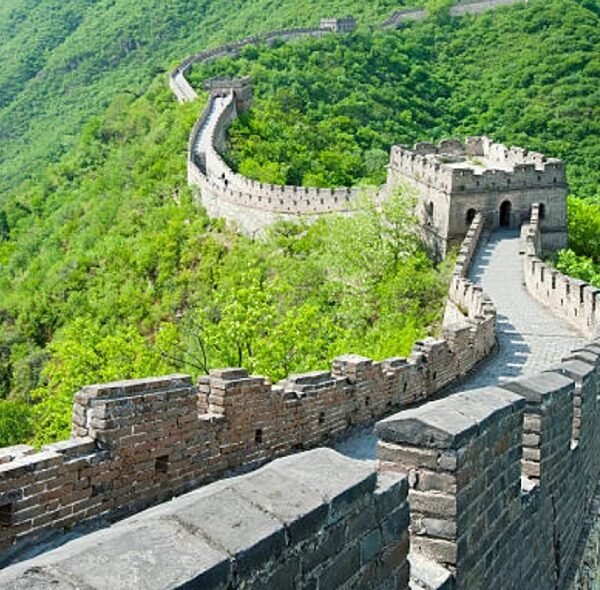
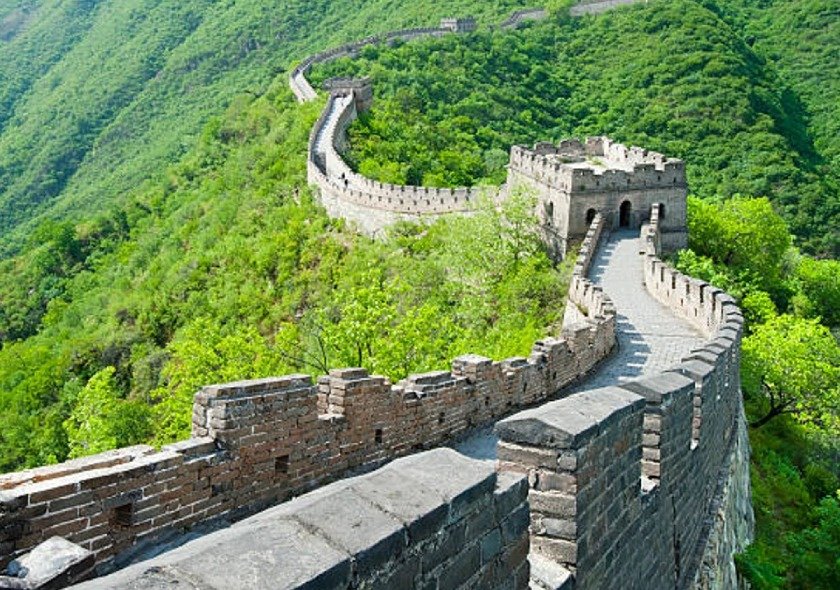
One of the world’s most iconic landmarks, the Great Wall of China remains a compelling reason for travellers to choose China tour packages. Contrary to popular belief, the wall is not a single continuous structure but a vast network of fortifications built by various feudal states during the Chunqiu (Spring and Autumn) Period to protect territories from invasions.
China’s first emperor, Qin Shi Huang, connected these walls and strengthened them with watchtowers and military outposts. Over centuries, successive dynasties expanded and fortified the structure. Today, the Great Wall stretches across more than 5,000 kilometres, earning its place among the Seven Wonders of the World and as a UNESCO World Heritage Site.
The best time to visit the Great Wall is during spring and autumn, when temperatures are comfortable and visibility is excellent. Popular sections such as Badaling, Mutianyu, Simatai, and Jiankou are easily accessible from Beijing.
-
Mutianyu is ideal for families, offering cable car access and gentler terrain.
-
Jiankou attracts adventure seekers with its rugged beauty and fewer crowds.
China’s 5,000-Year-Old History
Few countries can rival China’s uninterrupted civilisational history. Despite invasions and global influences, many traditional practices, beliefs, and philosophies have remained intact for millennia.
China gave the world some of humanity’s most important inventions, including paper, silk, gunpowder, printing, and the compass. Ancient Chinese society placed immense importance on record-keeping, evidenced by inscriptions on oracle bones, metals, and early parchments.
The legendary Silk Road connected China to Rome, Central Asia, the Middle East, and Europe, enabling trade in silk, tea, porcelain, jade, and precious stones while facilitating the exchange of religion, science, and technology.
China was also the first civilisation to standardise currency, language, measurement systems, and governance, creating a unified central administration. Its contributions to medicine, astronomy, navigation, acupuncture, tai chi, and cupping therapy continue to influence the modern world.
Ancient Chinese Architecture
Chinese architecture is deeply rooted in feng shui, an ancient philosophy that promotes balance and harmony between humans and their surroundings. This belief influenced the layout of cities, palaces, temples, and homes.
Among China’s most remarkable architectural achievements is the Terracotta Army in Xi’an, consisting of over 6,000 life-sized warriors, horses, and chariots, created to guard the tomb of Emperor Qin Shi Huang.
The Forbidden City in Beijing is the largest palace complex in the world, with 980 buildings and over 9,000 rooms. For nearly five centuries, it served as the residence of 24 emperors. Today, it houses more than 1.8 million priceless artefacts, some dating back to the Neolithic era.
The Temple of Heaven, built between 1406 and 1420, symbolises the cosmic relationship between heaven and earth and was used by emperors for ceremonial prayers.
China’s Natural Wonders
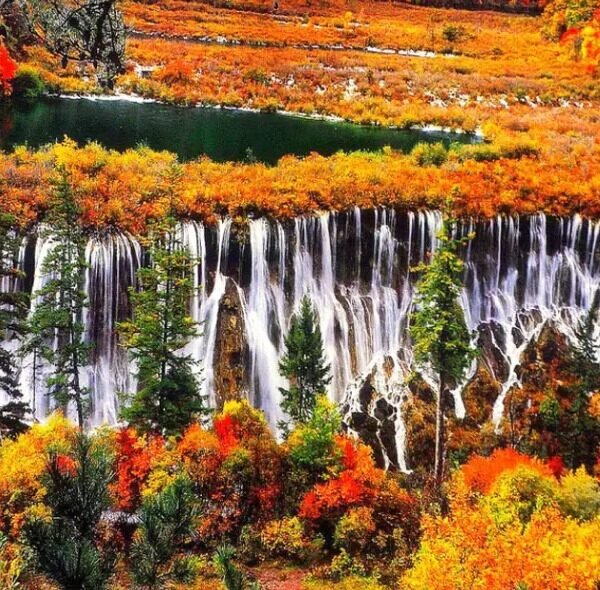
China’s vast geography encompasses some of the world’s most spectacular natural landscapes.
-
Zhangjiajie National Forest Park, a UNESCO World Heritage Site, is famed for its towering sandstone pillars and mist-covered peaks, inspiring the floating mountains in the movie Avatar.
-
The Gobi Desert, the world’s sixth-largest desert, is rich in minerals and has yielded dinosaur fossils over 70 million years old.
-
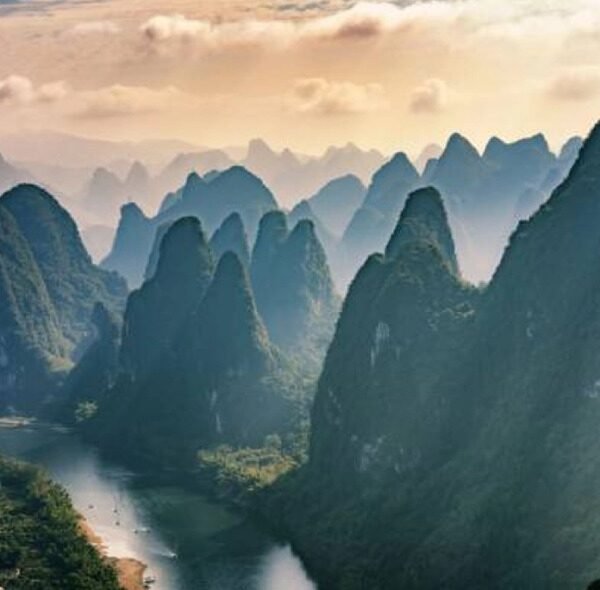
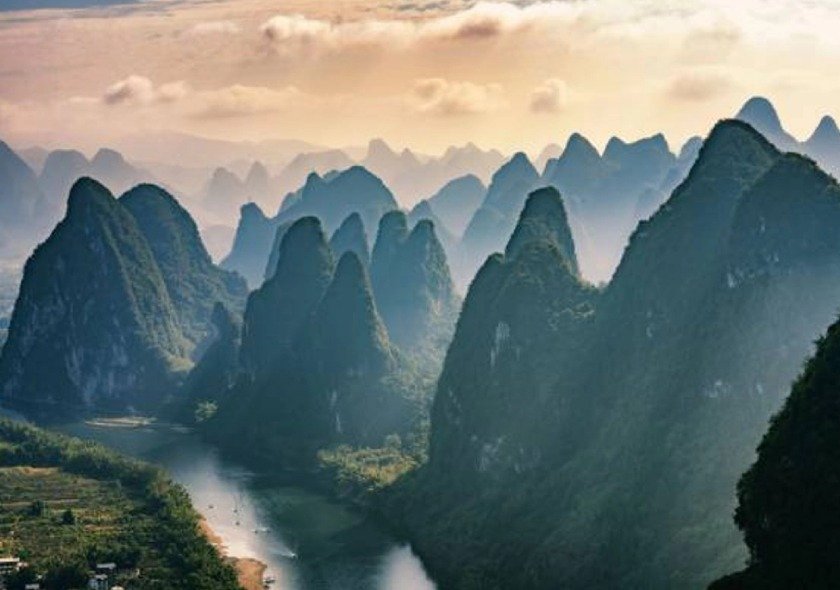
The Li River, winding through Guilin and Yangshuo, is celebrated for its karst hills, caves, and tranquil beauty and is listed among National Geographic’s Top Watery Wonders.
-
Mount Everest, located on the Tibet–Nepal border, offers one of the most exhilarating adventures for trekking enthusiasts, with journeys to the Everest Base Camp considered a once-in-a-lifetime experience.
Modern Architectural Marvels
China’s rapid economic rise is reflected in its world-class infrastructure and futuristic architecture.
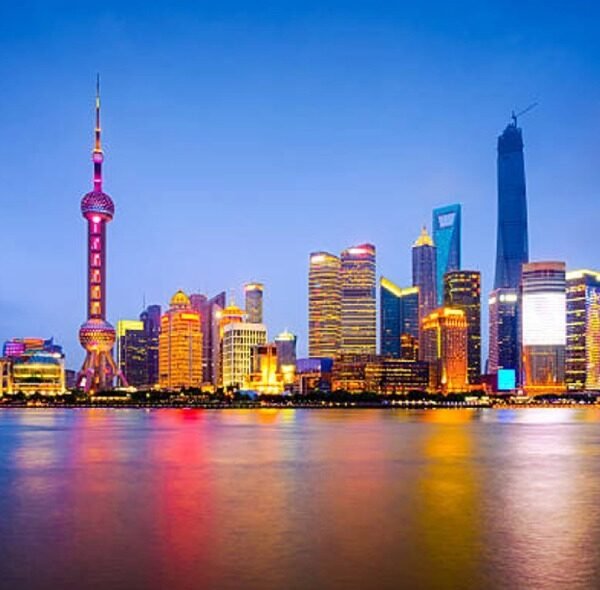
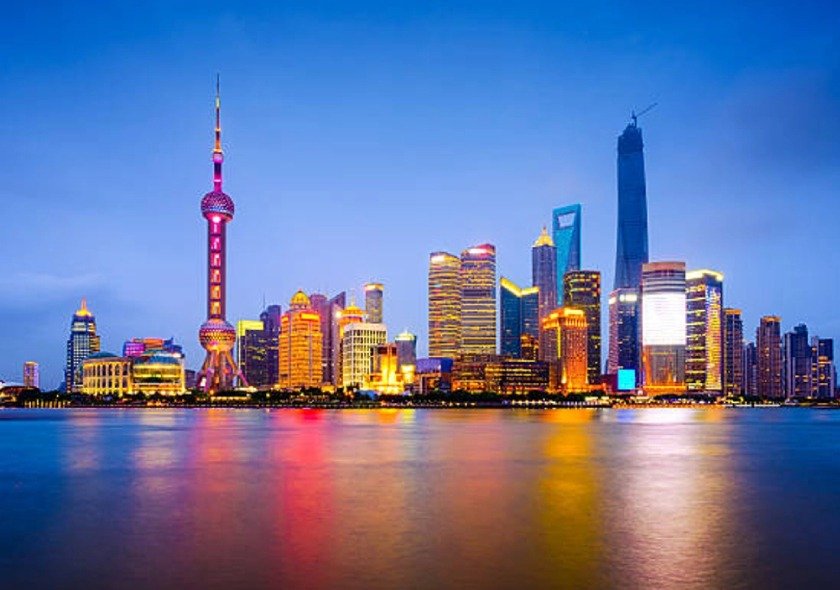
The Shanghai Tower, the third-tallest building in the world, features a sustainable helical design that harnesses wind, solar energy, and rainwater.
The Zhangjiajie Glass Bridge, suspended 300 metres above a valley, and the thrilling Coiling Dragon Cliff Skywalk with 99 hairpin bends, redefine adventure tourism.
Other modern landmarks include:
-
Oriental Pearl TV Tower, Shanghai
-
Bailong Elevator, the world’s tallest outdoor elevator
-
Tian Tan Buddha, the tallest outdoor seated Buddha symbolising harmony and peace
Chinese Cuisine
Chinese cuisine reflects the country’s cultural diversity and regional variations. There are eight major culinary traditions—Anhui, Cantonese, Fujian, Hunan, Jiangsu, Shandong, Sichuan, and Zhejiang—each offering unique flavours and techniques.
Authentic Chinese food is vastly different from overseas adaptations. Meals are designed to balance sweet, sour, salty, bitter, and umami flavours, aligning with the principles of yin and yang.
Must-try dishes include:
-
Peking Roasted Duck
-
Kung Pao Chicken
-
Dim Sum
-
Hot Pot
-
Traditional Tofu Dishes
A culinary tour is highly recommended to truly experience China’s gastronomic heritage.
Well-Developed Tourist Infrastructure
China’s high-speed rail network, modern airports, and efficient public transport make travel seamless across the country. Tourist attractions are well-maintained and largely wheelchair-friendly, offering ramps, elevators, and cable cars.
Chinese cities are among the safest in the world, with extremely low crime rates. With guided tours, language barriers are easily overcome, ensuring a smooth and comfortable travel experience.
Best Time to Visit China
China is a year-round destination, with each season offering a distinct travel experience:
🌸 Spring (March–May)
Ideal for flower festivals, tea harvesting, and cultural events.
☀️ Summer (June–August)
Perfect for visiting Tibet, mountain regions, and river cruises.
🍁 Autumn (September–November)
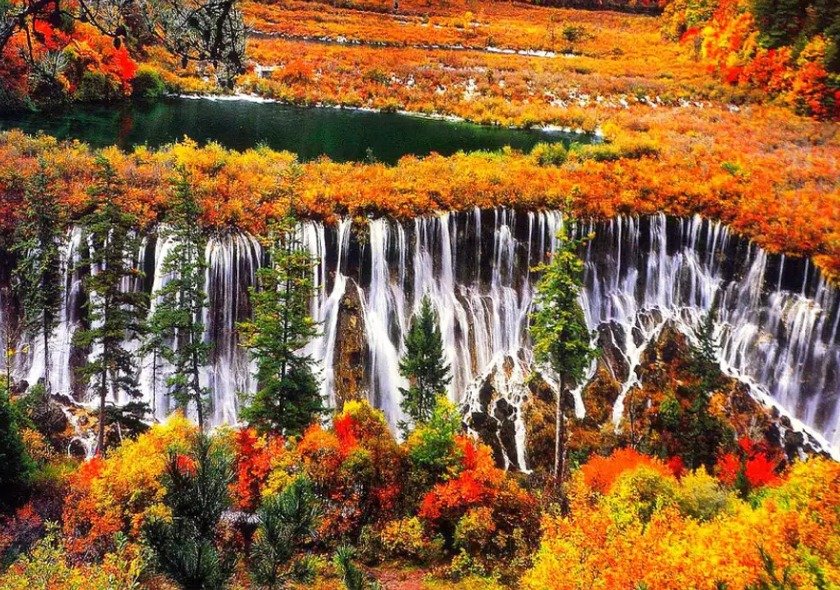
The best season overall, with pleasant weather and stunning autumn landscapes.
❄️ Winter (November–March)
Great for snow festivals, skiing, and cultural celebrations like the Spring Festival.
Final Thought
From ancient wonders and spiritual traditions to cutting-edge cities and natural marvels, China offers an unmatched travel experience. Whether you’re a history enthusiast, nature lover, foodie, or adventure seeker, China promises memories that last a lifetime.