Everything You Need to Know About Goa
Goa is more than a destination—it’s a feeling. Nestled along India’s western coastline, this vibrant state blends sun-kissed beaches, Portuguese heritage, lush green landscapes, soulful music, and unforgettable cuisine. Whether you’re looking for a peaceful seaside escape, thrilling adventures, cultural immersion, or electrifying nightlife, Goa offers it all with effortless charm. From the rhythm of Konkani music and the aroma of spicy vindaloo to golden sunsets and warm local smiles, Goa leaves a lasting impression on every traveller.
About Goa
Geography
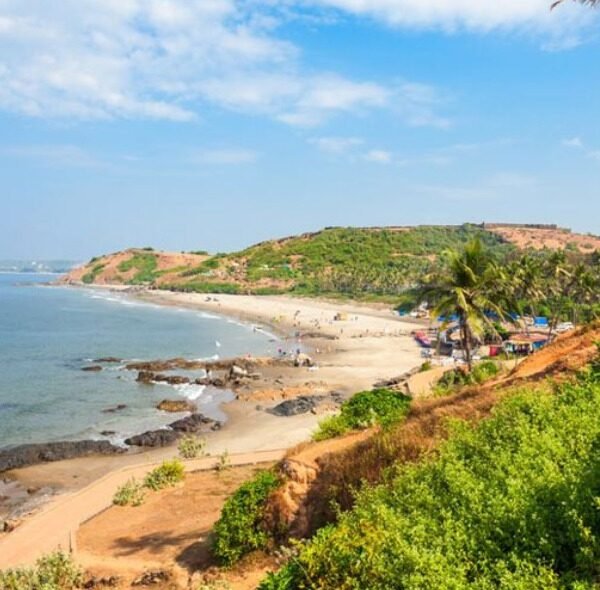
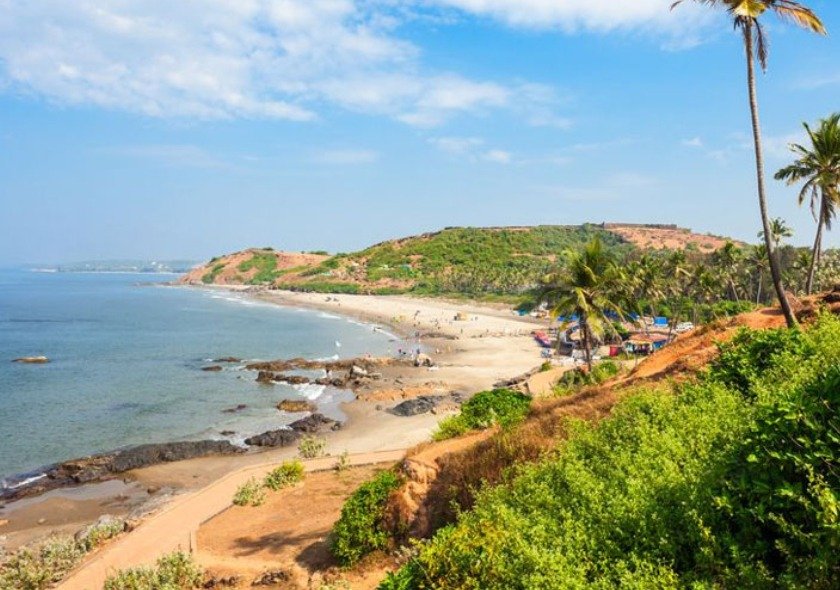
Goa is India’s smallest state, yet one of its most captivating. Bordered by the Arabian Sea to the west, Maharashtra to the north, and Karnataka to the east and south, Goa boasts over 100 kilometres of scenic coastline. Palm-fringed beaches, rocky headlands, quiet coves, and estuaries define its shore, while the Western Ghats form a lush green backdrop rich in biodiversity.
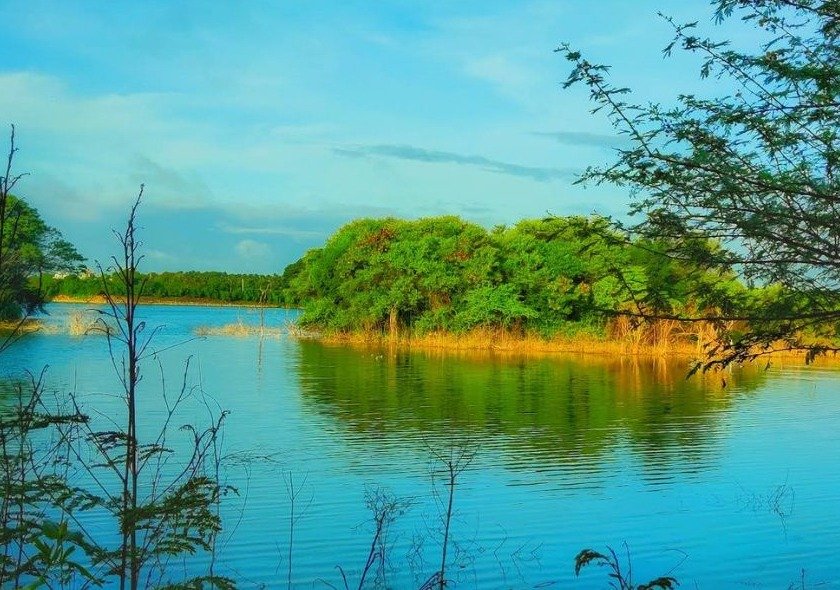
Several rivers, including the Mandovi and Zuari, flow through the state, nurturing fertile plains and serene islands. Inland, you’ll find forested hills, wildlife sanctuaries, spice plantations, and picturesque lakes such as Netravali.
North Goa and South Goa
North Goa is lively and energetic, known for its bustling beaches, nightlife, flea markets, and water sports. Popular beaches include Baga, Anjuna, Calangute, Candolim, and Vagator.
South Goa offers a calmer, more relaxed atmosphere. Its beaches—such as Palolem, Agonda, Colva, and Benaulim—are ideal for unwinding amid coconut groves, quiet villages, and unspoilt natural beauty.
History of Goa
Ancient and Medieval Periods
Goa’s history dates back to prehistoric times. Over centuries, it flourished under various Indian dynasties, including the Mauryas and Satavahanas, and later the Deccan Sultanates, emerging as a significant centre for trade, culture, and religion.
Portuguese Era
In 1510, Goa was captured by the Portuguese, marking the beginning of over 450 years of colonial rule. The Portuguese left a profound legacy—seen in Goa’s architecture, religion, cuisine, and lifestyle. During this period, Goa earned the title “Rome of the East” due to its many grand churches and thriving Christian community.
Modern Goa
Goa was liberated from Portuguese rule in 1961 and became a full-fledged Indian state in 1987. Today, it is one of India’s most loved travel destinations, celebrated for its relaxed lifestyle and cultural diversity.
Essential Things to Know Before Visiting Goa
- Travel Documents: Carry valid identification for hotel check-ins.
- Currency: Digital payments are common, but carrying some cash is useful for local markets and small vendors.
- Transportation: Renting a scooter or car is the most convenient way to explore Goa.
- Clothing: Light cotton clothes, beachwear, sunscreen, hats, and comfortable footwear are essential. Dress modestly at religious sites.
- Health & Safety: Stay hydrated, avoid tap water, and be cautious on isolated beaches at night.
- Language: Konkani is the official language, but English, Hindi, and Marathi are widely spoken.
Top Reasons to Visit Goa
Stunning Beaches
From lively party beaches in the north to serene, untouched shores in the south, Goa’s beaches cater to every kind of traveller.
Rich Cultural Heritage
Colonial-era churches, heritage homes, colourful festivals, and historic forts reflect Goa’s unique Indo-Portuguese identity.
Exceptional Cuisine
Goan food is a flavourful fusion of coastal ingredients, spices, and Portuguese influence—making it a paradise for food lovers.
Vibrant Nightlife
Beach parties, nightclubs, live music venues, and laid-back seaside bars make Goa one of India’s nightlife capitals.
Adventure and Nature
Water sports, trekking trails, wildlife sanctuaries, waterfalls, and river cruises offer endless opportunities for adventure and exploration.
Best Time to Visit Goa
- Winter (November–February): Pleasant weather, festivals, and peak tourism season.
- Summer (March–May): Hot but quieter; ideal for sightseeing and relaxed travel.
- Monsoon (June–September): Lush greenery, waterfalls, and fewer crowds—perfect for nature lovers.
- October: A transition month with mild weather and great value for travellers.
Best Places to Visit in Goa
Beaches
Baga, Anjuna, Calangute, Candolim, Miramar, Palolem, Agonda, Colva, and Arambol—each offering a distinct vibe.
Forts
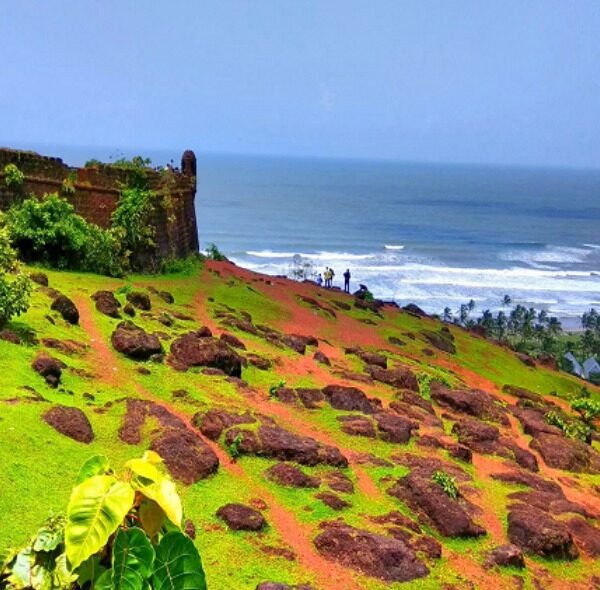
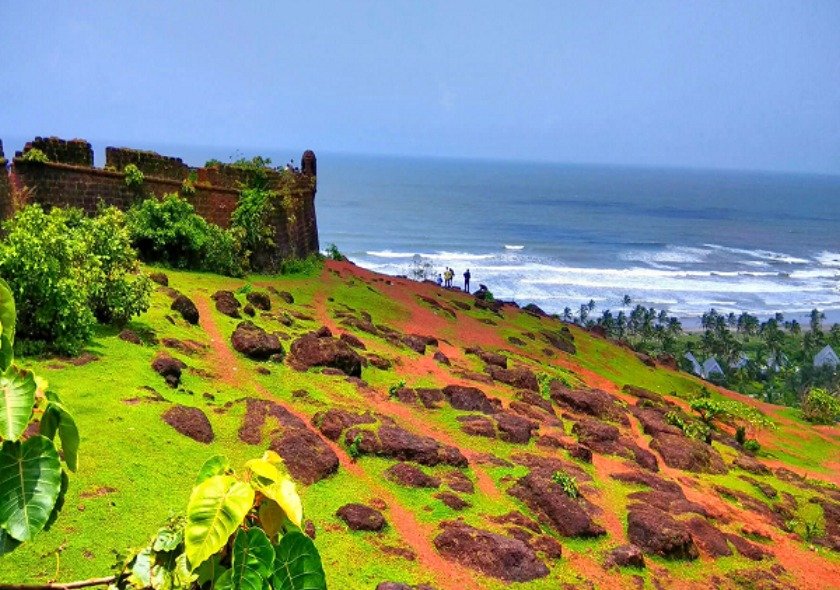
Fort Aguada, Chapora Fort, Cabo de Rama, and Reis Magos Fort provide panoramic views and glimpses into Goa’s colonial past.
Churches and Temples
The Basilica of Bom Jesus and Sé Cathedral in Old Goa stand alongside revered temples such as Mangueshi, Shantadurga, and Mahalsa Narayani, highlighting Goa’s religious harmony.
Nature and Wildlife
Bhagwan Mahavir Wildlife Sanctuary, Netravali Wildlife Sanctuary, Dudhsagar Falls, Chorla Ghat, Divar Island, and spice plantations showcase Goa’s rich natural heritage.
Cities and Heritage Areas
Panaji and Fontainhas charm visitors with colourful streets, colonial architecture, cafes, art galleries, and waterfront promenades.
Unique Experiences in Goa
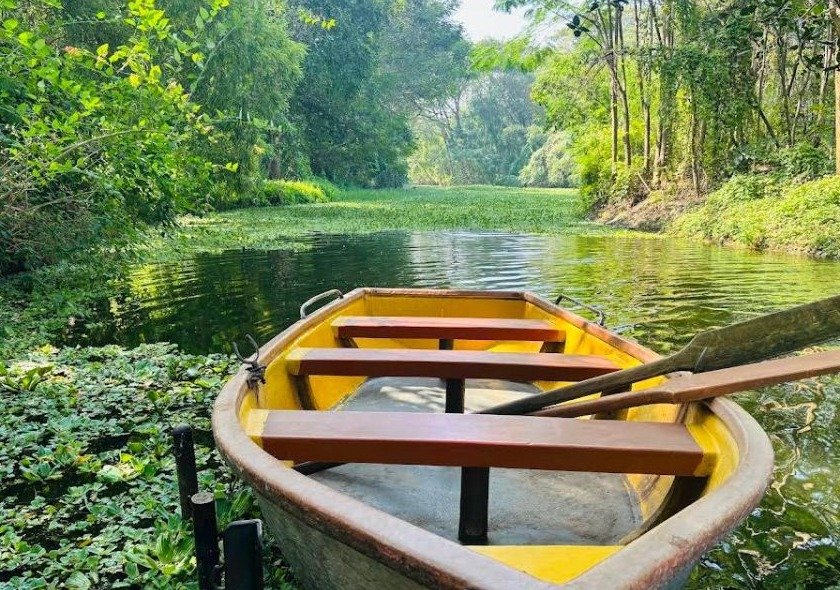
- River and backwater cruises
- Visiting traditional Feni distilleries
- Cooking classes featuring authentic Goan dishes
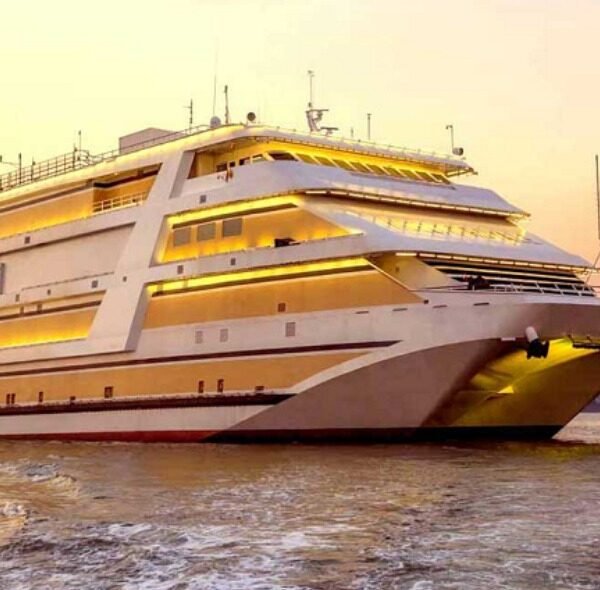
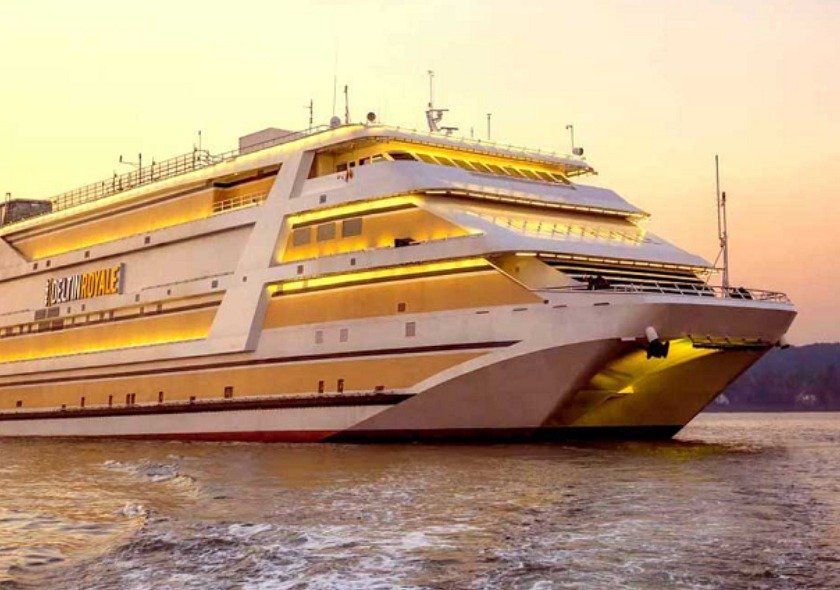
- Casino experiences on floating vessels
- Beach parties, pub crawls, and live music nights
- Heritage walks through Fontainhas
Shopping in Goa
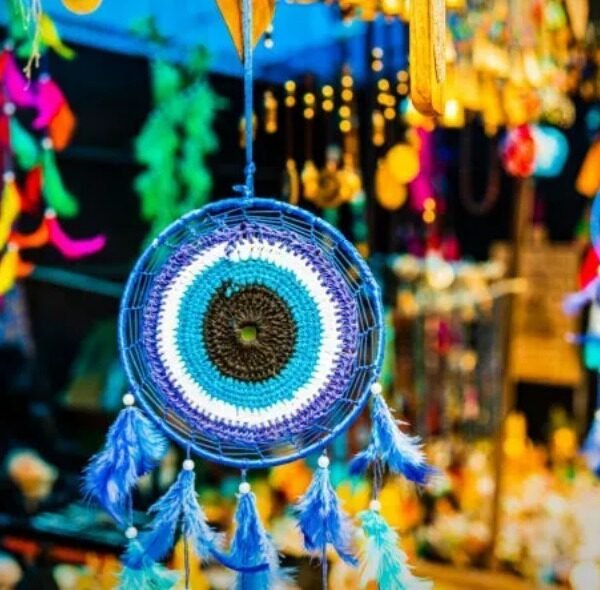
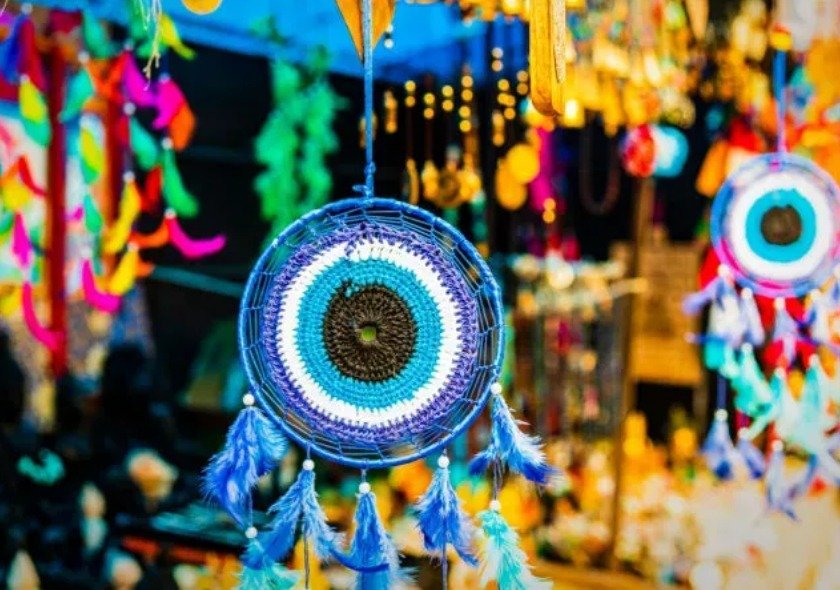
Explore lively markets such as Anjuna Flea Market, Mapusa Market, Panaji Market, and Calangute Market. Popular souvenirs include spices, cashews, Feni, port wine, shell décor, jewellery, pottery, textiles, and traditional Goan sweets.
Food and Cuisine of Goa
Goan cuisine is broadly divided into:
- Hindu Goan Cuisine: Mild, coconut-based, and vegetarian-friendly
- Catholic Goan Cuisine: Rich, spicy, and influenced by Portuguese flavours
Must-Try Dishes
Goan Fish Curry, Prawn Balchão, Pork Vindaloo, Chicken Xacuti, Sorpotel, traditional Goan breads, savoury snacks, and iconic desserts like Bebinca and Dodol.
Art and Culture of Goa
Festivals
Carnival, Shigmo, Christmas, New Year, and Sao Joao reflect Goa’s vibrant cultural spirit.
Music and Dance
Goa Trance music, folk forms like Mando and Dulpod, and traditional dances such as Fugdi and Dekhni keep local traditions alive.
Art
The Sunaparanta Goa Centre for the Arts promotes contemporary creativity, while the Mario Gallery celebrates the iconic works of Mario Miranda. His illustrations beautifully capture everyday Goan life with warmth and humour. When visiting the coastal state with Prism Universal Tours, don’t miss the opportunity to explore this artistic legacy.
Goa is a destination that effortlessly blends relaxation, celebration, culture, and nature—making it a place travellers return to again and again.